Dr. Ayla Wolf DAOM, L.Ac. (MN, WI, NY, FL), Dipl. OM (NCBAHM)
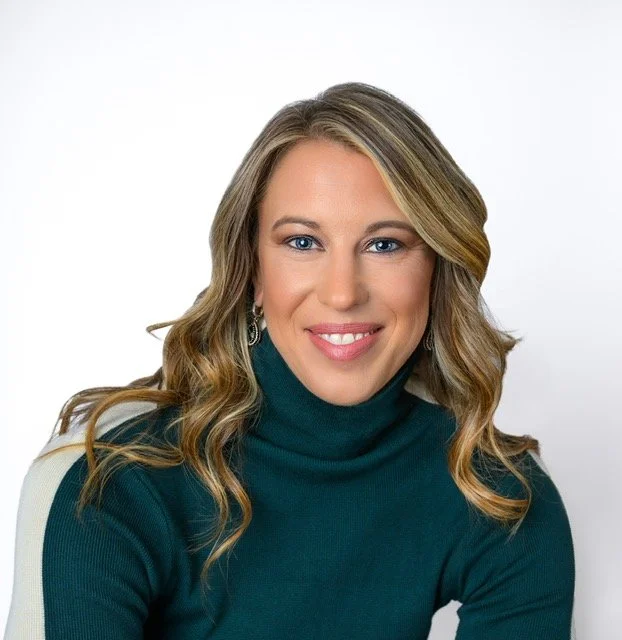
Ayla Wolf, a doctor of acupuncture and Oriental medicine, is a leading specialist in neurological rehabilitation and author of the books, The Concussion Breakthrough: Discover the Missing Pieces to Recovery and The Art of Concussion Recovery. She hosts Life After Impact: The Concussion Recovery Podcast. With over 20 years of clinical experience, she is known for her integrative approach to treating complex conditions like post-concussion syndrome, dizziness, vertigo, chronic migraine, and dysautonomia.
She is an Assistant Professor of Physical Medicine at the Carrick Institute and speaks internationally on the art of the neurological exam, functional neuroanatomy, concussion recovery and other neurological disorders. She is involved in ongoing clinical research on post-traumatic headaches. In her private practice in Stillwater Minnesota, Dr. Wolf combines applied clinical neuroscience with holistic therapies to deliver highly personalized care. Prior to living in Minnesota she served as the team acupuncturist for UFC and Legacy fighters at Fortis MMA in Dallas, Texas.
Learn more at www.acupunctureneurology.com.
Dao Collective Clinical Neurology Examination Series with Dr. Ayla Wolf DAOM
Program Concept
This five-course educational series is designed to give acupuncturists a practical, clinically relevant framework for evaluating neurological function and applying examination findings to inform treatment planning.
The program begins with a three-part examination series covering the peripheral and central nervous systems, cranial nerves, and autonomic nervous system. These foundational courses teach practitioners how to perform and interpret neurological examinations within an acupuncture practice. They do not need to be taken in order.
Two advanced courses then apply these examination skills to two commonly encountered and clinically complex neurological conditions: migraine and concussion.
The overarching goal is not to turn acupuncturists into neurologists, but to give them greater confidence in recognizing neurological patterns, ask more precise questions, identify red flags, make appropriate referrals, track clinical change and effectiveness of treatments, and develop more precise acupuncture and integrative treatment strategies.
PART I — THREE-COURSE NEUROLOGICAL EXAMINATION PROGRAM
Course 1 — Peripheral & Central Nervous System Examination
2-Day Intensive
This foundational course introduces the neurological examination from both peripheral and central nervous system perspectives.
Practitioners learn how to move beyond symptom-based assessment and systematically examine sensory, motor, reflex, cerebellar, gait, balance, and other neurological functions. These skills can become useful for patients experiencing peripheral nerve injuries, peripheral nerve dysfunction, changes in gait, motor deficits, chronic pain conditions and central nervous system disorders such as stroke, TBI, concussion, multiple sclerosis, Parkinson’s, dementia, migraine, vestibular disorders, dizziness, and dysautonomia.
Key areas include:
Organization of the peripheral and central nervous systems
Sensory examination
Dermatomes and peripheral nerve distributions
Deep tendon reflexes
Upper vs. lower motor neuron findings
Motor examination
Pathological reflexes
Coordination and cerebellar testing
Gait examination
Balance and postural control
Proprioception
Frontal, temporal, parietal and occipital lobe function
Clinical localization: peripheral nerve, nerve root, spinal cord, brainstem, cerebellum, or cortex
Recognizing findings requiring medical referral
Translating examination findings into acupuncture treatment strategies
Clinical objective: Give practitioners a repeatable neurological examination framework that can be incorporated into an acupuncture evaluation to provide a greater level of understanding and care for patients with nervous system dysfunction and disease.
Course 2 — Cranial Nerve Examination
Clinical Assessment of the 12 Cranial Nerves
This course provides an in-depth exploration of the cranial nerves, emphasizing examination, functional neuroanatomy, clinical interpretation, and relevance to acupuncture practice.
Rather than simply memorizing cranial nerve functions, practitioners learn how to test the cranial nerves and interpret what abnormal findings may mean, and how cranial nerves interact with the central nervous system. This knowledge is then meaningfully translated into clinical practice through relevant case study and applications.
Key areas may include:
Functional neuroanatomy of CN I–XII
Olfaction
Visual fields and optic nerve function
Pupillary responses
Accommodation and convergence
Extraocular movements
Oculomotor, trochlear, and abducens examination
Trigeminal sensory and motor examination
Facial motor function
Hearing and vestibular assessment
Glossopharyngeal and vagal function
Accessory nerve examination
Tongue movement and hypoglossal function
Brainstem localization
Eye movement abnormalities
Dizziness and vestibular findings
Clinical implications for headache, migraine, concussion, facial pain, dizziness, and other neurological presentations
Red flags and appropriate referral
Clinical objective: Enable practitioners to perform a structured cranial nerve examination and recognize patterns relevant to common neurological complaints seen in acupuncture practice.
Course 3 — Autonomic Dysregulation & Disorders
Examination, Recognition and Clinical Management
The third component expands the neurological examination into the autonomic nervous system—an area particularly relevant to acupuncture and herbal medicine because autonomic symptoms frequently accompany chronic pain, migraine, concussion, post-viral illness, gastrointestinal disorders, fatigue, and complex multisystem conditions.
Key areas may include:
Sympathetic and parasympathetic neuroanatomy
Central autonomic network
Baroreflex physiology
Heart-rate and blood-pressure regulation
Orthostatic vital signs
Active stand testing
Heart-rate variability
Pupillary/autonomic findings
Respiratory influences on autonomic function
POTS and orthostatic intolerance
Neurogenic, hypovolemic, and hyperadrenergic presentations of POTS
Vasovagal syncope
Autonomic neuropathy
Gastrointestinal dysfunction, gastroparesis, cyclical vomiting
Mast-cell activation and overlapping presentations
Post-viral and post-concussion dysautonomia
Mapping COMPASS-31 and symptom quantification onto the five functions of Qi
Acupuncture and autonomic regulation
Tracking physiological and symptomatic change over time
Herbal considerations in dysautonomia patterns
Clinical objective: Give practitioners practical tools for identifying and documenting autonomic dysfunction and integrating those findings into clinical decision-making, acupuncture, and herbal practice.
PART II — ADVANCED CLINICAL APPLICATION COURSES
Once practitioners understand how to examine neurological function, the advanced courses teach them how to use those skills in specific patient populations.
Course 4 — Advanced Migraine
From Migraine Mechanisms to Clinical Examination and Treatment
Migraine is not simply a headache disorder. This advanced course examines migraine as a complex neurological condition involving sensory processing, trigeminovascular signaling, autonomic function, hormonal influences, vestibular pathways, and central nervous system excitability.
The course would integrate findings from the first three courses into a migraine-specific clinical examination and treatment framework.
Topics Include:
Modern migraine pathophysiology
Trigeminovascular system and CGRP
Trigeminocervical complex
Cortical spreading depolarization
Migraine phases and neurological symptoms
Migraine with and without aura
Vestibular migraine
Menstrual/hormonal migraine
Acute vs. Chronic migraine
Medications and Botox
Medication-overuse headache
Photophobia, phonophobia, and sensory hypersensitivity
Cervical contributions to headache
Autonomic features of migraine
Cranial nerve and oculomotor findings
Vestibular and balance assessment
Migraine triggers versus underlying susceptibility
Differential diagnosis and headache red flags
Acupuncture research for migraine
Evidence-informed acupuncture treatment strategies
Integrating examination findings with individualized treatment planning
Case study
Clinical objective: Move practitioners beyond treating “headache points” toward understanding and treating migraine as a neurological disorder.
Course 5 — Advanced Concussion
Post-Traumatic Headache, Migraine, Neck Pain, Dizziness & Vertigo
The concussion course serves as a capstone application of the entire examination series.
An injury to the brain can potentially affect any system in the body. Treating people with a history of concussion or TBI requires in-depth knowledge of neuroanatomy, neurophysiology, and neuroscience.
Persistent post-concussion symptoms rarely arise from a single mechanism. Patients may simultaneously present with headache, migraine, cervical dysfunction, vestibular impairment, oculomotor abnormalities, autonomic dysregulation, sleep disruption, sensory hypersensitivity, and cognitive symptoms.
This course teaches practitioners how to begin separating those overlapping contributors.
Potential content:
Acute concussion pathophysiology
Neurometabolic cascade
Persistent post-concussion symptoms
Neurological examination following concussion
Cranial nerve examination
Oculomotor dysfunction and gaze-evoked orbital pain
Vestibular dysfunction
Balance and postural control
Autonomic dysregulation
Post-traumatic headache
Post-traumatic migraine
Cervicogenic headache and neck pain
Dizziness and vertigo
BPPV after head trauma
Visual motion sensitivity
Exercise intolerance
Sleep and circadian disruption
Cognitive and sensory symptom burden
Differentiating overlapping symptom generators
Red flags and indications for referral
Outcome measures and tracking recovery
Evidence for acupuncture in post-traumatic headache and concussion-related symptoms
Building individualized, examination-driven treatment plans
Interprofessional management and appropriate referral
Case study
Clinical objective: Give practitioners a systematic framework for answering a critical question in persistent concussion care: What is driving this patient's symptoms, and what findings can I objectively identify and track?
The Educational Progression
Course 1 — Examine the nervous system
Peripheral + Central Examination
Course 2 — Examine the brainstem and cranial nerves
Cranial Nerve Examination
Course 3 — Examine regulation
Autonomic Examination & Dysautonomia
Course 4 — Apply the system to migraine
Advanced Migraine
Course 5 — Apply the system to concussion
Advanced Concussion