Introduction to the Chai Hu & Ban Xia Formula Families
A 2-Day Intensive Seminar in Classical Chinese Herbal Medicine
Live Weekend Seminar | 2 Days: May 22nd - May 23rd, 2027, 9am - 5pm
This workshop will be held at the Aligned Center
1 Bridge St #64, Irvington, NY 10533
Taught by Salustino Z. Wong, PhD
Cost: $650 early bird rate (cost is $750 after April 22nd)
CEU / PDA: 14 AOM-CH NCBAHM PDA approved
Introduction to Chai Hu and Ban Xia Formula Families
May 22nd - May 23rd, 2027
Salustino Z. Wong, PhD
Course Overview:
This two-day intensive seminar offers practitioners a focused and clinically grounded entry point into two of the most widely used formula families in classical Chinese herbal medicine: the Chai Hu (柴胡) family and the Ban Xia (半夏) family.
Rooted in the Shāng Hán Zá Bìng Lùn (傷寒雜病論) and informed by the constitutional Jing Fang method developed by Professor Huang Huang, this course presents the classical formulas within a clear, accessible, and clinically practical framework. Students will learn to identify the characteristic presentations, constitutions, and formula syndromes (fang zheng 方證) associated with each family, and will develop hands-on skills in abdominal diagnosis as a direct tool for clinical prescription.
This seminar is drawn from the curriculum of the Jing Fang Classics Institute, founded and directed by Salustino Z. Wong, who has taught classical Chinese herbal medicine for over 20 years and has been a dedicated student of Professor Huang Huang since 1998.
What You Will Learn:
The Chai Hu Formula Family 柴胡類方
Students will explore the structure, indications, and clinical applications of the core Chai Hu formulas, including:
- Xiao Chai Hu Tang — the foundational formula of the family; constitutional profile, shao yang syndrome, and broad clinical applications
- Da Chai Hu Tang — indications for repletion patterns and the relationship with the yang ming
- Chai Hu Jia Long Gu Mu Li Tang — emotional and neurological presentations; constitution and abdominal findings
- Chai Hu Gui Zhi Gan Jiang Tang — the pivot between shao yang and tai yin; deficiency patterns and complex presentations
- Si Ni San — Chai Hu family formulas for constrained qi and their relationship to constitution and body type
For each formula, students will examine the classical text, the fang zheng, the typical constitutional body type (ti zhi 體質), and practical prescribing guidelines.
The Ban Xia Formula Family 半夏類方
Students will explore the core structure and distinguishing features of the Ban Xia family, including:
- Xiao Ban Xia Tang and Xiao Ban Xia Jia Fu Ling Tang — foundational formulas for counterflow qi and fluid accumulation
- Ban Xia Hou Po Tang — constitutional profile; applications in anxiety, throat sensation (mei he qi), and digestive presentations
- Wen Dan Tang — the Chai Hu / Ban Xia intersection; phlegm-heat patterns and complex psycho-emotional conditions
- Mai Men Dong Tang — upper qi counterflow, dryness, and distinguishing features from the core Ban Xia pattern
- Da Ban Xia Tang — deficiency and severe digestive presentations
The Ban Xia constitution, including body type, complexion, tongue presentation, and abdominal findings, will be examined in detail to support accurate pattern identification and differentiation from related families.
Abdominal Diagnosis (Fuku Shin / 腹診)
A central component of this seminar is the direct, hands-on application of abdominal palpation as a diagnostic tool in Jing Fang prescribing. Drawing on both classical texts and Professor Huang Huang's clinical experience, students will study:
- The anatomical regions of the abdomen and their clinical significance
- Levels of palpation and basic techniques
- Characteristic abdominal findings associated with the Chai Hu and Ban Xia constitutions and formulas
- Integration of abdominal findings with pulse, tongue, and body observation for refined formula selection
Abdominal diagnosis is taught not as an isolated technique, but as part of a fully integrated approach to constitutional assessment and fang zheng identification.
Formula Analysis & Prescription
Students will develop the ability to analyze classical formulas structurally — understanding how each herb contributes to the formula's action, how modifications shift its clinical target, and how combinations with other formula families expand clinical range. Topics include:
- Herb syndromes (yao zheng 藥證): understanding the individual herbs of each family at a classical level
- Dosage and its clinical significance in the classical texts
- Formula modifications: additions, subtractions, and quantity adjustments
- Combining Chai Hu and Ban Xia family formulas with other families (e.g., Gui Zhi, Fu Ling) for complex presentations
- Clinical case analysis applying the fang zheng prescribing method
Who Should Attend
This seminar is designed for licensed practitioners of Chinese medicine — including acupuncturists, herbalists, and integrative medicine physicians — who wish to:
- Develop confidence prescribing classical formulas from the Chai Hu and Ban Xia families
- Integrate abdominal diagnosis into their clinical practice
- Build a solid foundation in the Jing Fang Formula Family method
- Refine constitutional assessment and pattern identification for herbal prescription
No prior Jing Fang training is required. Practitioners with foundational knowledge of Chinese herbal medicine and basic pattern differentiation will be well positioned to benefit fully from the seminar.
About the Instructor
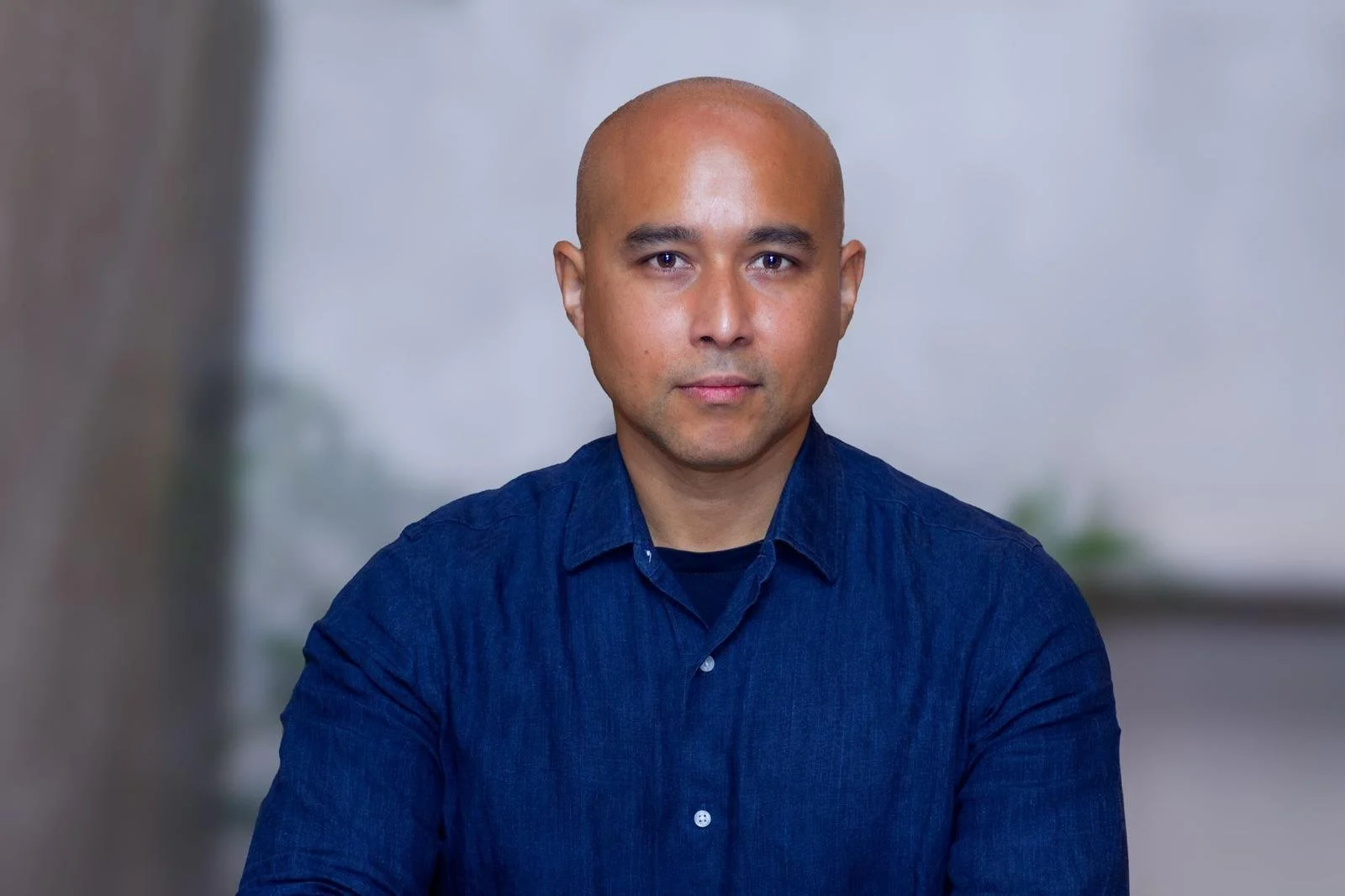
Salustino Z. Wong, PhD is the founder and director of the Jing Fang Classics Institute and has dedicated over two decades to teaching classical Chinese herbal medicine in Europe, Asia, and internationally. A student of Professor Huang Huang since 1998, he has also studied with Ying Ming (Paediatrics), Wang Ning Sheng (Acupuncture), Tao Kun (Acupuncture and Moxibustion), Zhang Ke Jian (Tui Na), and Xue Bin (Tai Ji Chuan).
Salustino has served as teacher of the Shang Han Lun and Tuina at the Matteo Ricci Institute of Chinese Medicine (Milan), director of the Master's Degree program in Classical Formulas at SIFCET (Società Italiana di Farmacoterapia Cinese Tradizionale), and teacher of Classical Formulas, Tuina, and Chen Taijiquan at The Chinese Medicine School (Lisbon). 2026 marks 20 years of his dedicated teaching of Jing Fang, a lineage-based approach rooted in the Han dynasty and refined for contemporary clinical use.
Schedule Overview
Day 1 — The Chai Hu Formula Family 9am - 5pm
Morning: Introduction to the Jing Fang Family Formula Method; the Shao Yang layer; Xiao Chai Hu Tang — constitution, fang zheng, classical text, and clinical applications
Late Morning: Da Chai Hu Tang; Si Ni San; Chai Hu Jia Long Gu Mu Li Tang
Afternoon: Chai Hu Gui Zhi Gan Jiang Tang; Introduction to abdominal diagnosis: anatomical regions, palpation technique, and Chai Hu family abdominal findings
Late Afternoon: Case analysis and prescribing practice: applying fang zheng to clinical presentations
Day 2 — The Ban Xia Formula Family 9am - 5pm
Morning: The Ban Xia constitution and herb syndrome; Xiao Ban Xia Tang and Xiao Ban Xia Jia Fu Ling Tang; Ban Xia Hou Po Tang — constitution, fang zheng, and clinical applications
Late Morning: Wen Dan Tang; Mai Men Dong Tang; Da Ban Xia Tang
Afternoon: Abdominal diagnosis: Ban Xia family findings; differentiating Chai Hu and Ban Xia abdominal patterns; integration with pulse and tongue
Late Afternoon: Formula combinations and modifications; complex case analysis; open Q&A
This seminar is offered through the Jing Fang Classics Institute. For information on the full Jing Fang curriculum, including the two-year online and hybrid training program, visit [jingfangclassics.com](https://www.jingfangclassics.com).