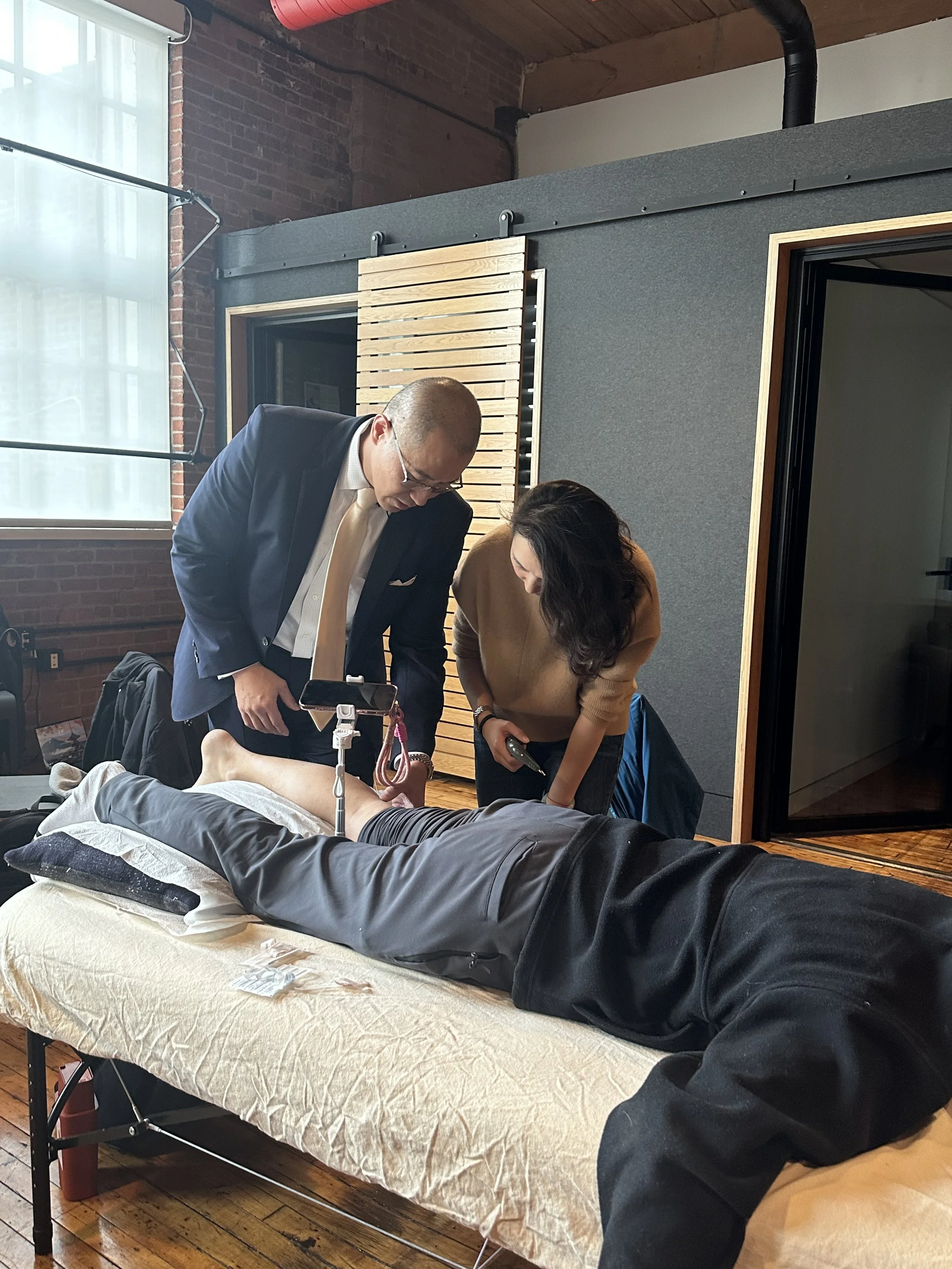
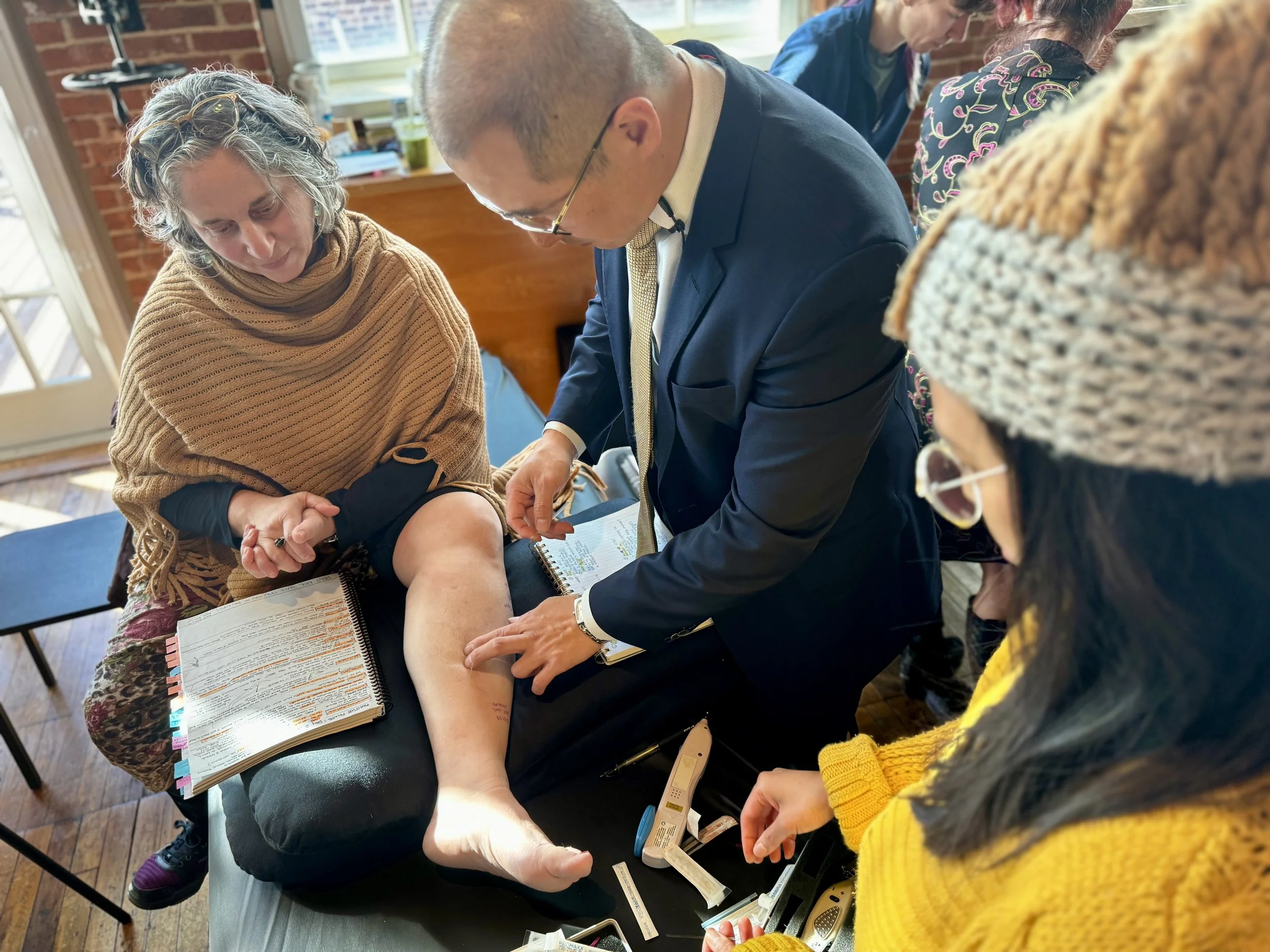
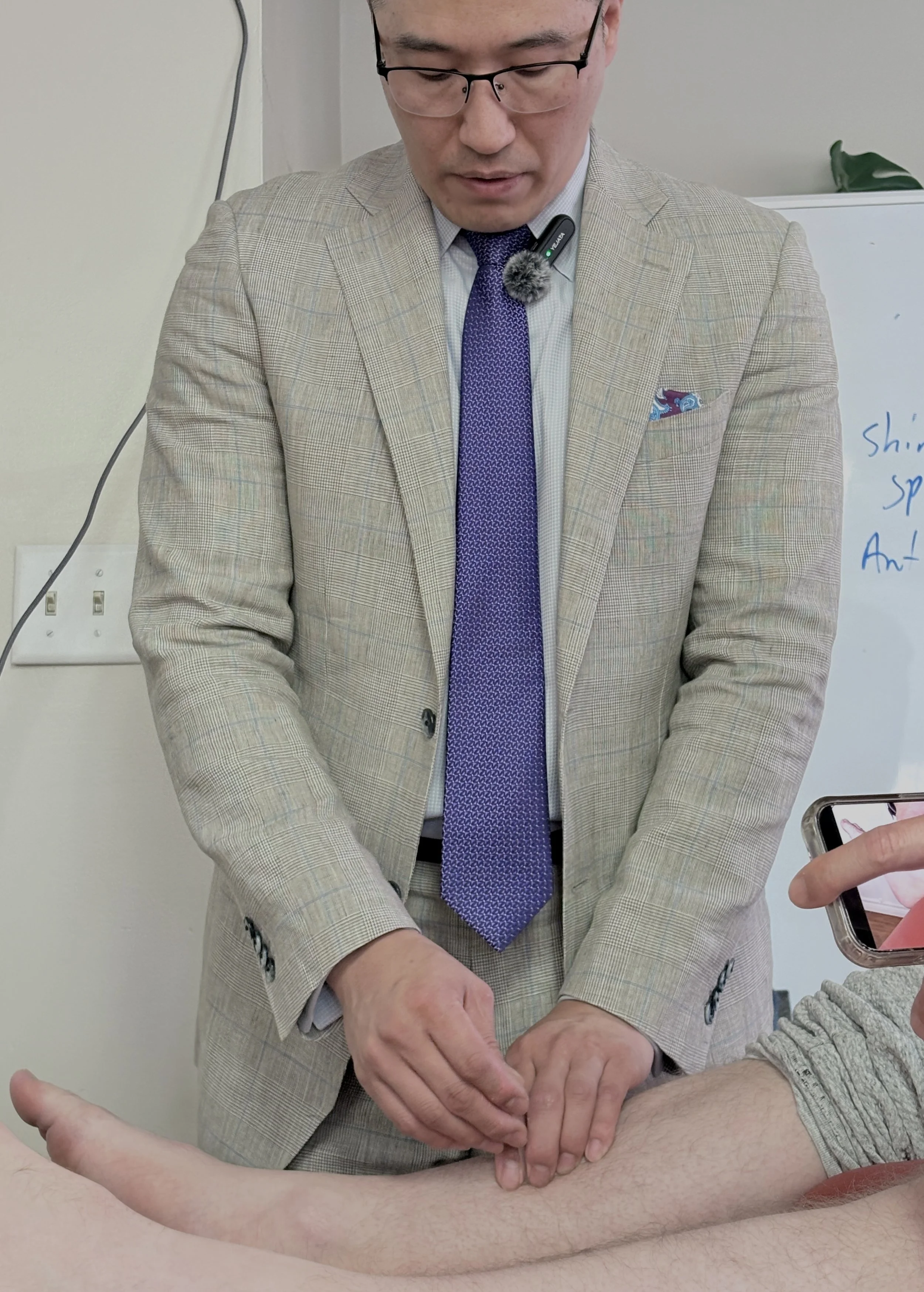
Lower Extremity and Torso: Neuro-Meridian Acupuncture Certification Module 2
April 15th - April 18, 2027
Location: Sonoran University of Health Sciences, 2140 E. Broadway Road, Tempe, AZ 85282,
Tuition: Early bird discount $2,000 through March 15, 2027; $2,200 beginning March 26, 2027.
Choose to pay in full or reserve your place with a deposit. Any remaining balance is due by March 15, 2027.
Repeat student rate: $1,000 for practitioners who have previously completed Module 2.

Dates: April 15th - 18th, 2027
Time Frame: 9:00 AM – 5:00 PM, with 1 hour for lunch
Location: TBA
Pheonix, AZ
The Neuro-Meridian approach to acupuncture suits practitioners who aspire to enhance their clinical effectiveness and become leaders in the emerging field of acupuncture neurology. Learn how to diagnose, assess, and treat pain using novel integrated techniques for the modern clinical practice.
Deposit of $1,000 due at registration. Balance due by April 1st, 2027
Dates: April 15th - 18th, 2027
Time Frame: 9:00 AM – 5:00 PM, with 1 hour for lunch
Location: TBA
Pheonix, AZ
The Neuro-Meridian approach to acupuncture suits practitioners who aspire to enhance their clinical effectiveness and become leaders in the emerging field of acupuncture neurology. Learn how to diagnose, assess, and treat pain using novel integrated techniques for the modern clinical practice.
Dates: May 14th - May 17th, 2026
Time Frame: 9:00 AM – 5:00 PM, with 1 hour for lunch
Location: Ontario College of TCM
283 Spadina Ave. 3rd FL, Toronto, Ontario, CANADA M5T 2E3
The Neuro-Meridian approach to acupuncture suits practitioners who aspire to enhance their clinical effectiveness and become leaders in the emerging field of acupuncture neurology. Learn how to diagnose, assess, and treat pain using novel integrated techniques for the modern clinical practice.
The Neuro-Meridian approach to acupuncture suits practitioners who aspire to enhance their clinical effectiveness and become leaders in the emerging field of acupuncture neurology. Learn how to diagnose, assess, and treat pain using novel integrated techniques for the modern clinical practice.
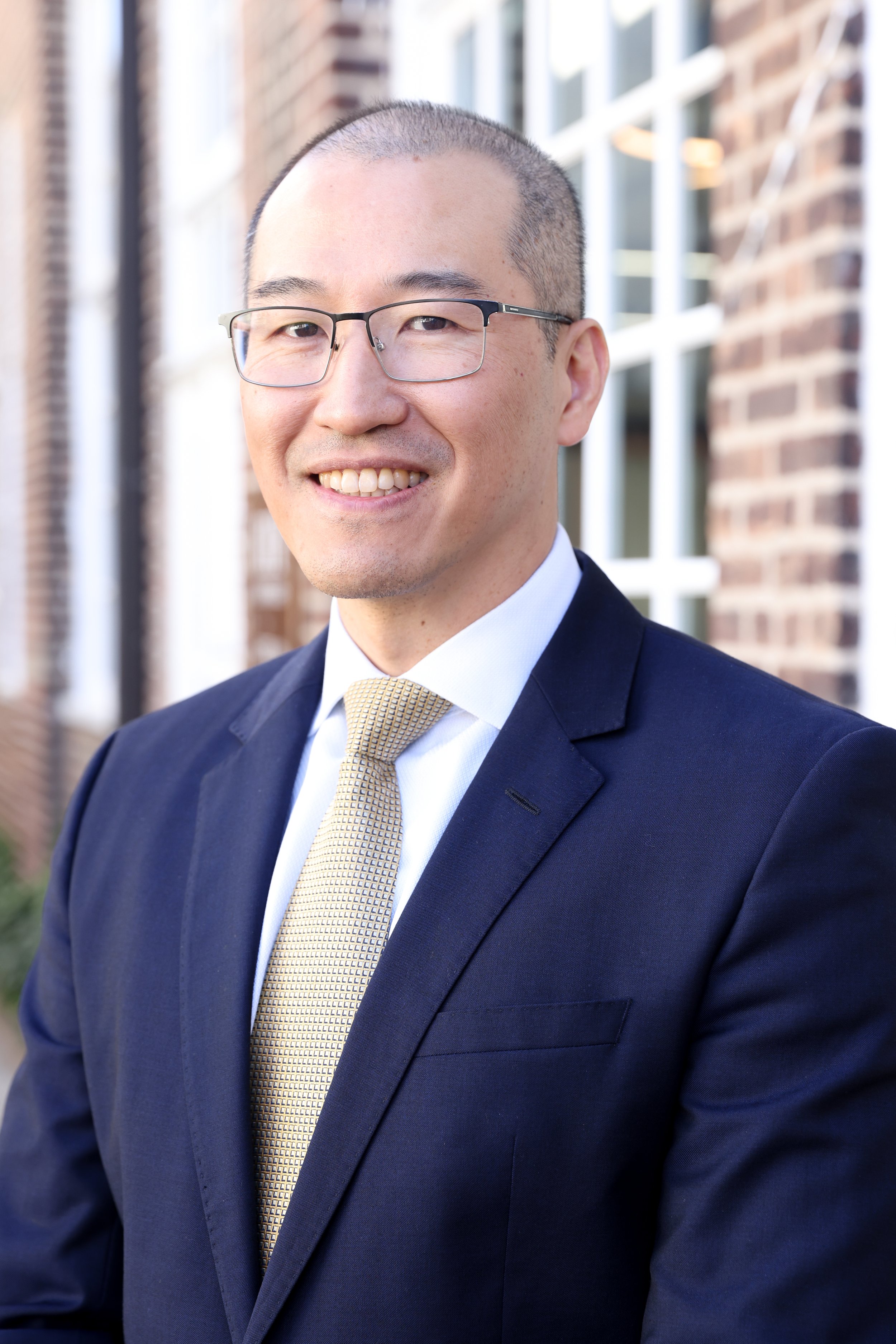
Dr. Poney Chiang, Professor at York University
Neuro-Meridian Acupuncture Certification Program
The Neuro-Meridian Acupuncture Certification Program helps acupuncturists strengthen their clinical skills and become leaders in the emerging field of acupuncture neurology. Learn to assess and treat pain and neurological dysfunction through techniques that integrate neuroanatomy with Classical Chinese Medicine.
Led by Dr. Poney Chiang, Professor at York University, this advanced postgraduate training is modeled after York University’s Professional Practice Certificate program. The curriculum combines lectures, demonstrations, practical training, and supervised clinical skills practice. A cadaver and anatomy lab may be included, subject to availability.
The certification program consists of four modules, each held over four consecutive days.
Module 2 of 4: Lower Extremity & Torso Intensive
Learning outcomes
By the end of this module, participants will be able to:
Interpret the neurovascular system through the Jing-Mai framework to better understand the anatomical basis of acupuncture point functions.
Apply electrostimulation techniques to selected branches of the sensory, motor, and autonomic nervous systems.
Refine neuro-meridian plucking techniques and elicit the De Qi sensation appropriate to each point using neuroanatomy and channel theory.
Day 1 · 9:00 a.m.–6:00 p.m.
Ling Shu Chapter 13: channel sinews and cadaver research
Neurostimulation and De Qi for the lower extremity
Day 2 · 9:00 a.m.–6:00 p.m.
Neurostimulation and De Qi for the lower extremity
Lower extremity treatment protocols and demonstrations: plantar fasciitis, Achilles tendinosis, anterior and posterior shin splints, pes anserine tendinosis, popliteal tendinosis, iliotibial band syndrome, patellofemoral joint syndrome, ischial tuberosity bursitis, and inversion ankle sprain
Day 3 · 9:00 a.m.–5:00 p.m.
“Entriggerment”: trigger points and nerve entrapment
Neurostimulation and De Qi for the torso
Applied acupuncture and anatomy lab for the torso and lower extremity, including cadaver study if available
Day 4 · 8:00 a.m.–4:00 p.m.
Neurostimulation and De Qi for the torso
Torso treatment protocols and demonstrations: lumbago, sciatica, thoracolumbar junction syndrome, anterior cutaneous nerve entrapment syndrome, thoracic outlet syndrome, and upper and lower crossed syndromes
Requirements
Participants must be licensed to practice acupuncture in their respective state and provide proof of malpractice coverage at the time of the course. No exceptions can be made.
No prerequisites are required for Module 2. Space is limited to support hands-on skills training.
Continuing education
NCCAOM: Approved for 26 PDA points
California Acupuncture Board: Approved for 26 Category 1 CEU hours · Provider No. 1513